



The Cost of the View: Why Brands Use the Caribbean but Ignore Its Heritage
The Caribbean is everywhere.
It's in the campaign imagery for summer collections. It's in luxury resort advertisements. It's in beauty commercials filled with palm trees, ocean waves, and women with sun-kissed skin. It's the backdrop for destination weddings, influencer trips, and brand retreats.
Yet somehow, the people, histories, and cultures that make the Caribbean what it is often disappear from the story.
The Caribbean becomes a backdrop rather than a place.
A mood rather than a culture.
An aesthetic rather than a people.
The Paradise Problem
For decades, tourism marketing has sold the Caribbean as an escape. The messaging is familiar: leave your responsibilities behind, relax on the beach, sip something tropical, and enjoy paradise.
But paradise is a complicated word.
Paradise suggests a place untouched by history. A place that exists for someone else's enjoyment. A place without politics, struggle, labor, or complexity.
The reality is that the Caribbean is one of the most culturally rich regions in the world. Its history includes Indigenous communities, colonization, resistance movements, slavery, migration, revolution, and some of the most influential cultural contributions globally.
The music that fills vacation playlists didn't appear out of nowhere. The food travelers rave about has generations of history behind it. The beauty traditions, ingredients, hairstyles, languages, and celebrations that brands often use as inspiration all come from real communities with real stories.
Yet many campaigns flatten that complexity into a single message: vacation here.
Culture Is Not a Mood Board
One of the most frustrating things about modern marketing is how easily culture gets reduced to aesthetics.
A campaign may feature Caribbean-inspired colors, Caribbean music, Caribbean ingredients, or Caribbean imagery, but provide no acknowledgment of where those influences come from.
We've become comfortable consuming culture without learning about it.
Imagine building a brand story around "island beauty" while failing to acknowledge the women whose traditions inspired the products in the first place.
Unfortunately, this happens more often than we think.
Representation Is More Than Visibility
To be clear, representation matters.
Seeing Caribbean landscapes, models, and communities in marketing can be powerful. Visibility isn't the problem.
The problem is when visibility becomes extraction.
When brands take from a culture without investing in it.
When heritage becomes a marketing asset instead of a relationship.
When a region is considered valuable only when it can generate engagement, sales, or content.
True representation requires participation. It requires giving people from those communities a seat at the table not just in front of the camera, but behind it.
Who is directing the campaign?
Who is writing the copy?
Who is telling the story?
Who benefits financially?
These questions matter.
What Respectful Marketing Looks Like
The good news is that there is another way.
Some brands are beginning to understand that cultural storytelling is strongest when it comes from collaboration rather than appropriation.
Respectful marketing doesn't treat heritage as a seasonal trend. It treats culture as something worth learning from.
That can look like hiring local creatives.
It can mean investing in community organizations.
It can mean telling deeper stories about ingredients, traditions, and people.
It can mean allowing cultural context to exist alongside beautiful imagery.
Because the truth is that heritage doesn't make a campaign less appealing. It makes it richer.
The story becomes more meaningful when audiences understand where something comes from and why it matters.
The View Has a Cost
Consumers are increasingly looking for authenticity.
Authenticity isn't found in a drone shot of turquoise water.
It's found in the people.
It's found in the stories.
It's found in the heritage.
And perhaps that's the real challenge for brands moving forward: not simply asking how they can use the Caribbean to tell their story, but how they can help tell the Caribbean's story as well.
Because the view may be beautiful.
But the heritage is what makes it worth seeing.
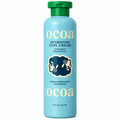
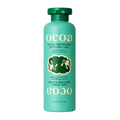
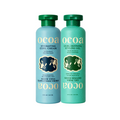
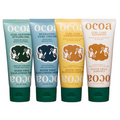
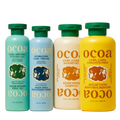
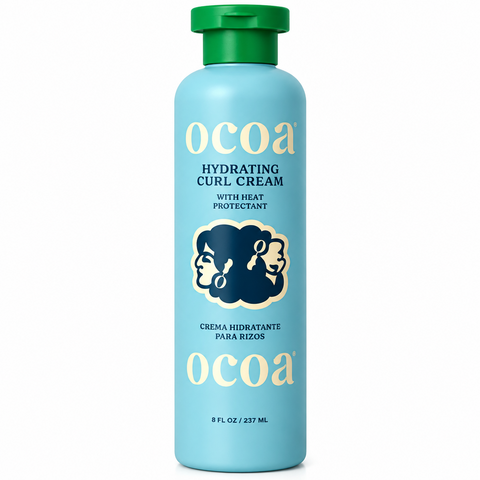
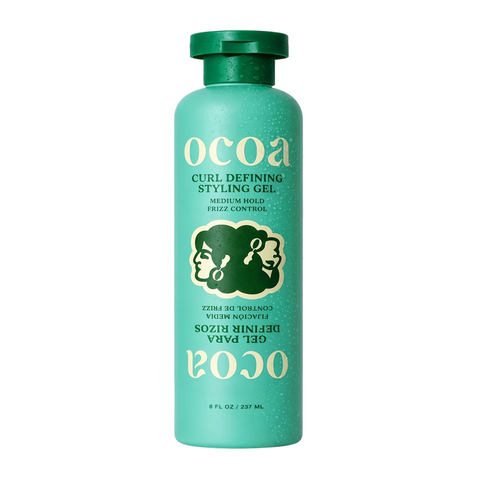
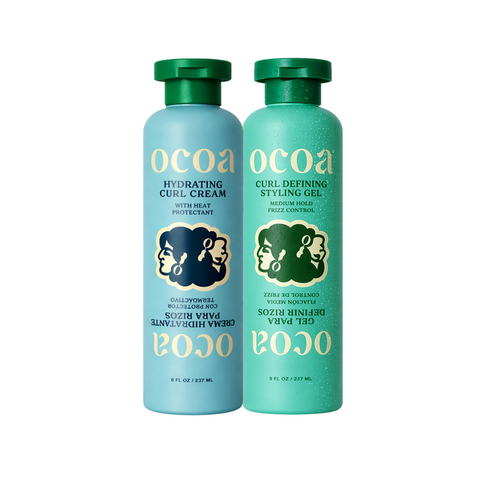
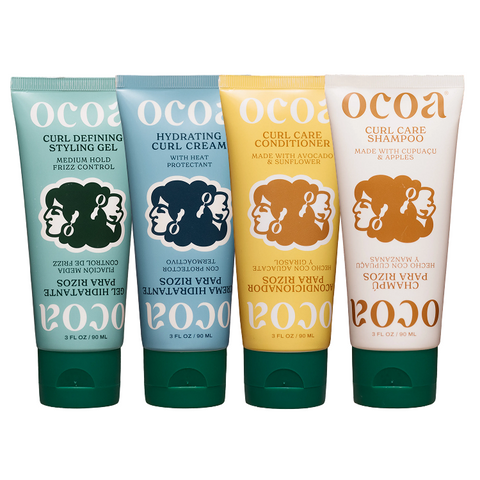
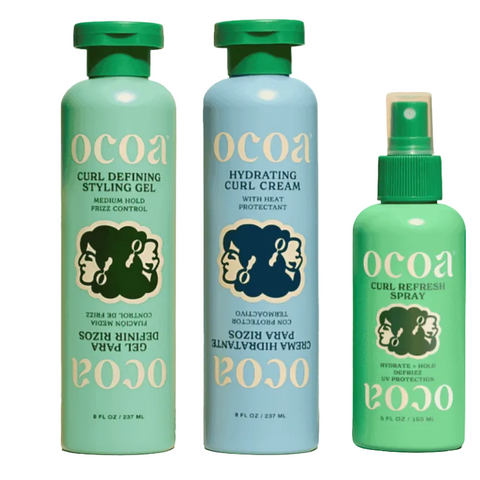
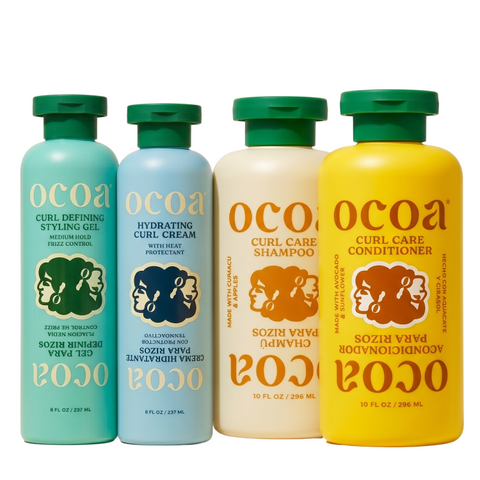
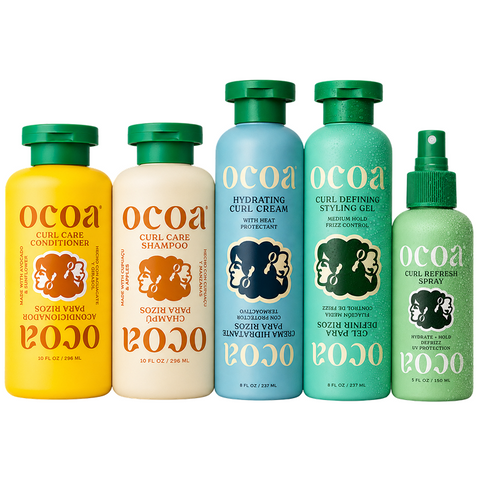
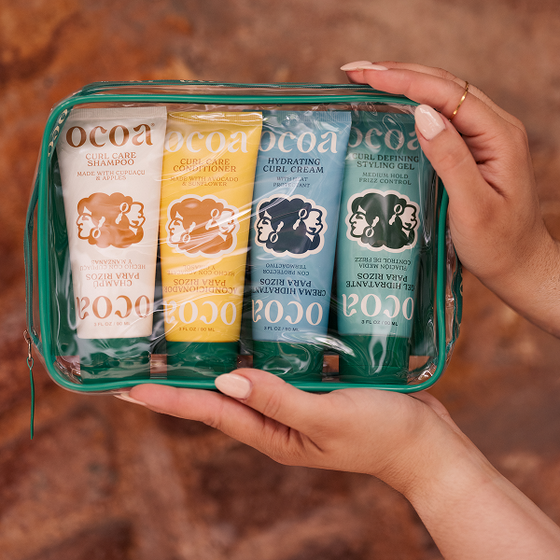
At Ocoa, this conversation isn't theoretical. It's personal.
As a Dominican-owned brand, our heritage isn't something we reference occasionally in a campaign or pull out during Caribbean Heritage Month. It's part of who we are. It informs how we formulate, how we tell stories, and how we show up in the world.
That's why it's important for us to remind people that the Caribbean is a source of innovation. It's a source of creativity. It's a source of entrepreneurship, beauty rituals, ingredients, and cultural traditions that continue to shape industries around the world.
At Ocoa, we're proud to be part of that story. Not because it's trendy or marketable, but because it's ours. And we'll continue to celebrate Caribbean heritage in its full depth not as a backdrop, but as the foundation.


